👊 MARTIAL ARTS have CAPTIVATED people worldwide for centuries.
You’ll find these ancient fighting systems THRIVING in countries across the globe.
Japan, China, and Korea are RENOWNED for their traditional martial arts schools.
You can experience the discipline of karate, kung fu fluidity, or taekwondo’s precision in their respective homelands.
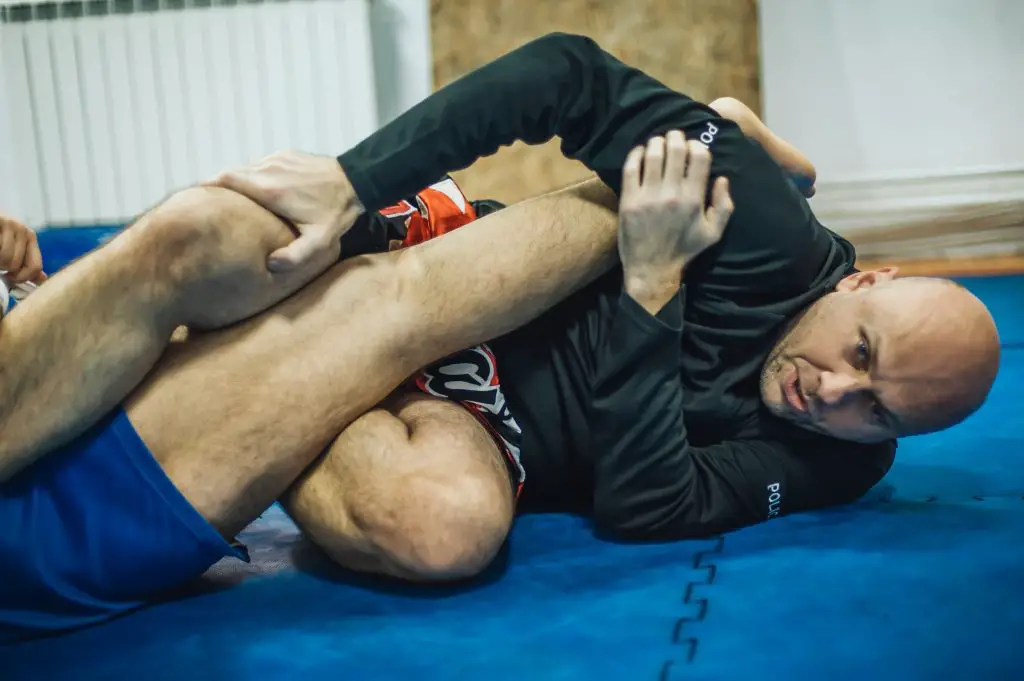
Brazil has become famous for its unique martial art, Brazilian Jiu-Jitsu.
You’ll discover world-class BJJ academies throughout the country, attracting students from all corners of the Earth.
Thailand is the birthplace of Muay Thai, the “Art of Eight Limbs.”
You can train at authentic Muay Thai camps and witness electrifying fights in Bangkok’s stadiums.
The United States has embraced martial arts from various cultures.
You’ll find a diverse range of dojos and training centers across the country, offering everything from mixed martial arts to traditional styles.
Russia has produced formidable martial artists, particularly in Sambo.
You can explore this unique combat sport at specialized schools throughout the country.
SELF-DEFENSE is a crucial aspect of martial arts training.
Many countries have developed their own systems, like Krav Maga in Israel or Systema in Russia.
🌍 The GLOBAL PRESENCE of martial arts continues to grow.
You’ll find dedicated practitioners and schools in nearly every country, each contributing to the rich tapestry of martial arts culture.
Historical Roots and Countries of Origin
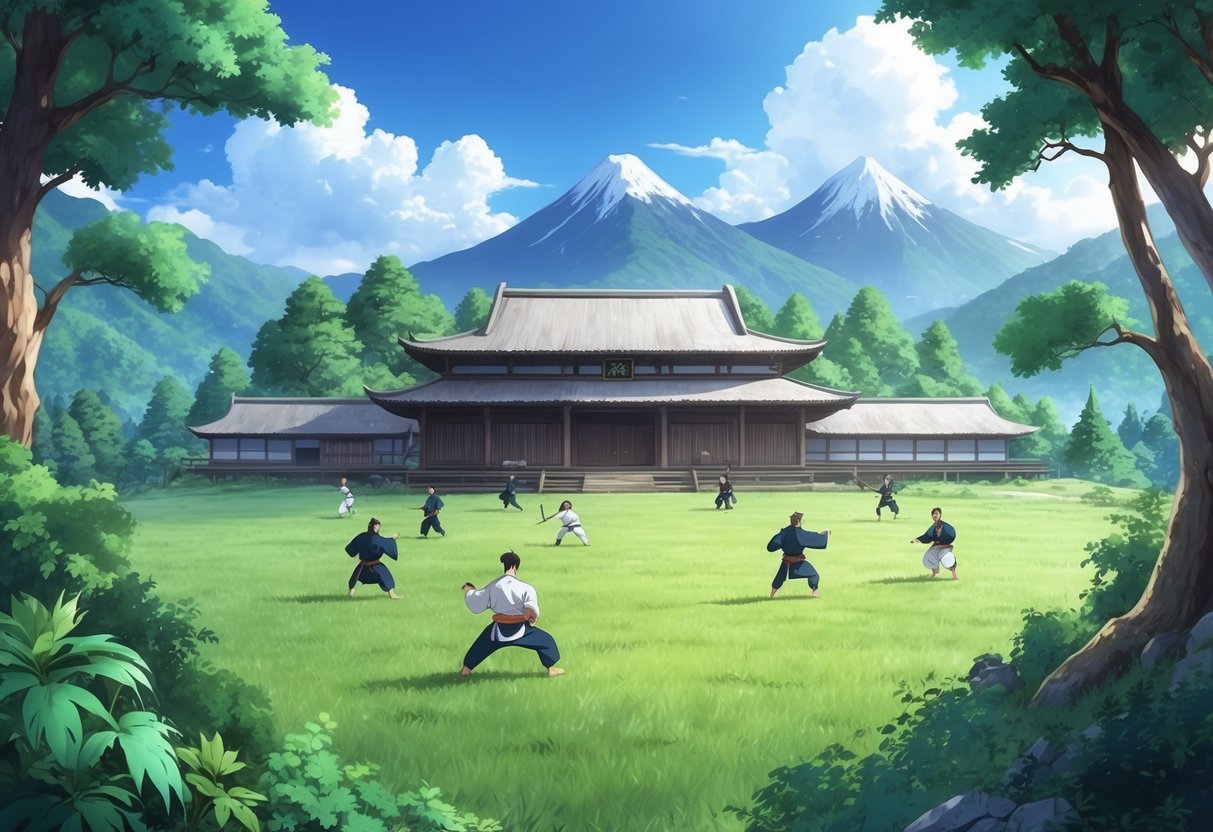
Martial arts have deep roots in various cultures around the world.
From ancient fighting techniques to modern combat sports, these disciplines have evolved and spread globally.
Martial Arts in East Asia 🐉
EAST ASIA is the BIRTHPLACE of many renowned martial arts.
In CHINA, Shaolin Kung Fu originated at the legendary Shaolin Temple. You’ll find Wing Chun and Wushu also have Chinese origins.
JAPAN gave us Karate, Judo, and Aikido. These arts emphasize discipline and self-improvement. Kenjutsu, the art of swordsmanship, evolved into modern Kendo.
In Korea, Taekwondo became the national sport. Thailand’s Muay Thai is known for its powerful strikes and clinch work.
Martial Arts in South America 🌴
BRAZIL is home to two unique martial arts.
Brazilian Jiu-Jitsu, developed by the Gracie family, focuses on ground fighting and submissions.
Capoeira, with its origins in African slave communities, combines dance, acrobatics, and fighting techniques.
You’ll see fluid movements and rhythmic elements in Capoeira practice.
These arts reflect Brazil’s diverse cultural heritage and have gained worldwide popularity.
Martial Arts in the Middle East and Africa 🐪
KRAV MAGA, developed in Israel, is a modern self-defense system.
It’s designed for real-world situations and is used by military and law enforcement.
In Africa, traditional stick fighting is practiced in various countries. The Zulu nation has a rich history of stick combat techniques.
Egyptian Tahtib, a stick-fighting martial art, dates back to ancient times.
You’ll find it’s still practiced today as both a martial art and a folk dance.
Prestigious Martial Arts Schools and Their Specializations
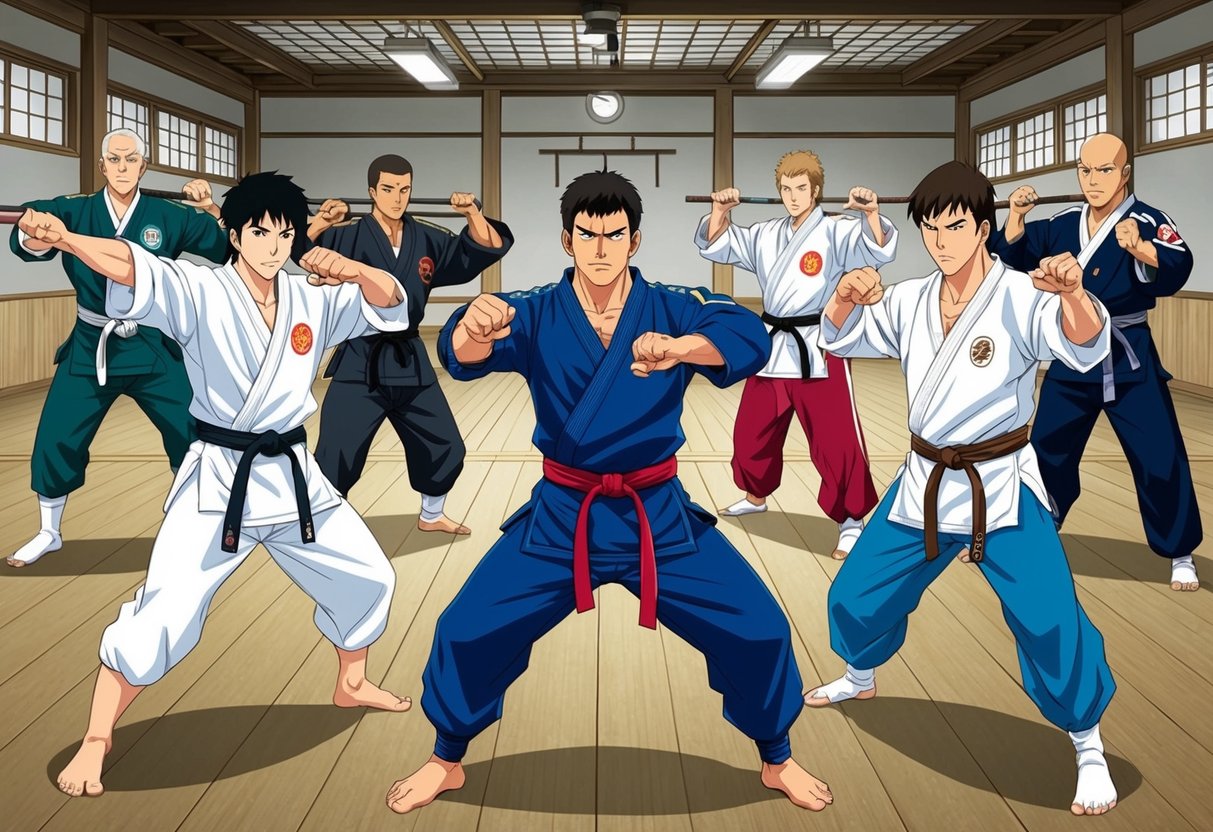
Martial arts schools worldwide offer exceptional training in various disciplines.
From traditional techniques to competitive sports and mixed martial arts, these institutions cater to diverse martial arts enthusiasts. 🥋
Top Schools for Traditional Martial Arts
SHAOLIN TEMPLE in China stands as the ULTIMATE destination for Shaolin Kung Fu.
You’ll find monks preserving ancient techniques passed down for generations. The temple’s rigorous training regimen builds both physical and mental strength.
The Kodokan Judo Institute in Tokyo is the BIRTHPLACE of judo.
Here, you can learn from world-class instructors and practice on historic tatami mats. The institute’s emphasis on discipline and respect sets it apart.
In Hong Kong, the Wing Chun Ip Chun Academy offers AUTHENTIC Wing Chun training.
Led by Grandmaster Ip Chun, son of Bruce Lee’s teacher, you’ll master close-range combat techniques and develop lightning-fast reflexes.
Leading Institutions for Competitive Training
World Taekwondo Academy in South Korea is a POWERHOUSE for aspiring Olympians.
You’ll train alongside elite athletes and benefit from cutting-edge facilities. The academy’s focus on high-performance techniques prepares you for international competitions.
For Muay Thai enthusiasts, Tiger Muay Thai in Thailand is a MUST-VISIT destination.
You’ll immerse yourself in Thai culture while honing your skills. The camp’s intense training programs have produced numerous champions.
The American Kickboxing Academy in California has churned out MULTIPLE UFC champions.
You’ll have access to top-notch coaches and spar with professional fighters. The academy’s holistic approach covers striking, grappling, and conditioning.
Renowned Mixed Martial Arts Academies
American Top Team in Florida is a BREEDING GROUND for MMA champions.
You’ll train in a state-of-the-art facility with a roster of elite coaches. The academy’s success in producing UFC title holders speaks volumes about its training quality.
The Renzo Gracie Academy in New York City offers WORLD-CLASS Brazilian Jiu-Jitsu instruction.
You’ll learn from the Gracie family, pioneers of BJJ. The academy’s welcoming atmosphere makes it suitable for beginners and advanced practitioners alike.
In the UK, the London Wing Chun Academy provides a unique blend of traditional and modern techniques.
You’ll develop practical self-defense skills while staying true to Wing Chun principles. The academy’s focus on real-world application sets it apart from competitors.
Distinguishing Factors of Top Martial Arts Schools
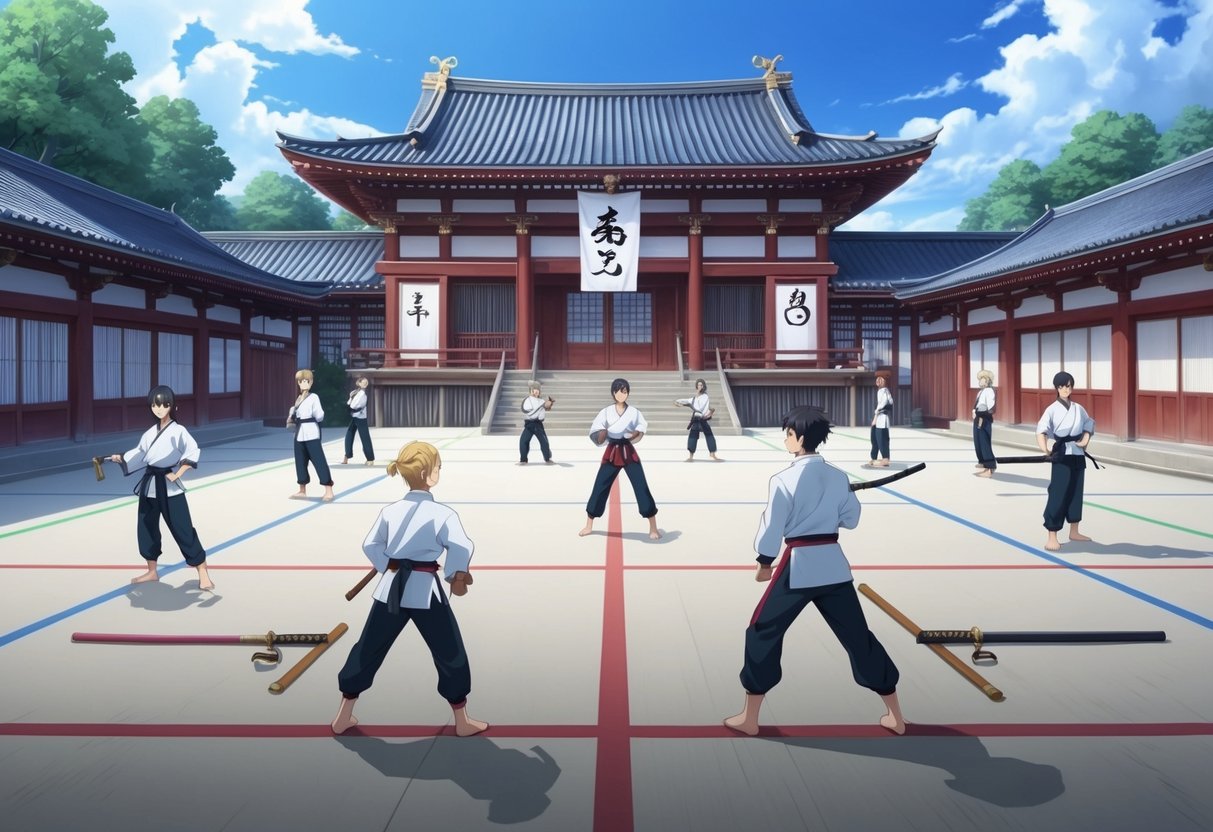
Top martial arts schools stand out through exceptional instruction, state-of-the-art facilities, and proven track records.
These elements combine to create an optimal learning environment for students.
Quality of Instruction and Instructor Credentials
INSTRUCTOR CREDENTIALS are crucial in top martial arts schools. 🏆
You’ll find HIGHLY QUALIFIED INSTRUCTORS with extensive experience and recognized certifications. These experts often hold black belts in multiple disciplines and have competed at national or international levels.
Your instructors should demonstrate deep knowledge of technique, philosophy, and safety.
Many top schools employ instructors who have trained under renowned masters or in countries of the art’s origin.
Look for schools that prioritize ongoing instructor education.
This commitment ensures you receive up-to-date, effective training methods. Instructors’ ability to communicate clearly and adapt teaching styles to different learners is also vital for your progress.
Facility and Equipment Standards
TOP-NOTCH FACILITIES and EQUIPMENT are hallmarks of elite martial arts schools. 🥋
You’ll train in clean, spacious dojos with proper flooring to prevent injuries.
High-quality mats, padding, and impact surfaces are essential for safe practice.
Your school should provide well-maintained training gear.
This includes punching bags, protective equipment, and weapons for specific disciplines.
Modern schools often incorporate strength and conditioning areas to support your overall fitness.
Proper ventilation and hygiene standards are non-negotiable.
Look for schools that prioritize cleanliness and regular equipment sanitization.
Some leading schools also offer amenities like changing rooms, showers, and hydration stations for your comfort.
School Reputation and Success Stories
A school’s REPUTATION speaks volumes about its quality. 🌟
You’ll want to choose a school with a strong track record of student achievements.
Look for schools that have produced champions in competitions or students who’ve earned prestigious ranks.
Success stories from current and former students can provide valuable insights.
Pay attention to testimonials highlighting personal growth, improved fitness, and self-defense skills.
Community involvement and positive relationships with other martial arts organizations often indicate a reputable school.
Schools that host seminars, workshops, or invite guest instructors demonstrate a commitment to ongoing learning and respect within the martial arts community.
Styles and Disciplines of Martial Arts
Martial arts encompass a diverse range of fighting techniques and philosophies.
From powerful striking to intricate grappling, each style offers unique approaches to combat and self-defense.
Striking and Stand-Up Fighting Styles
KARATE and TAEKWONDO dominate the striking arts scene. 🥋
These disciplines focus on powerful punches, kicks, and blocks. Karate, originating from Japan, emphasizes sharp, linear movements. Meanwhile, Taekwondo, Korea’s national sport, is known for its high, acrobatic kicks.
MUAY THAI, Thailand’s “Art of Eight Limbs,” incorporates elbows and knees alongside punches and kicks. It’s renowned for its devastating clinch work and leg kicks. 💪
KICKBOXING blends elements from various martial arts, creating a versatile striking system. You’ll learn to combine punches and kicks effectively for both sport and self-defense.
Grappling and Ground Fighting Disciplines
BRAZILIAN JIU-JITSU (BJJ) revolutionized martial arts with its focus on ground fighting. 🥋
You’ll learn to use leverage and technique to overcome larger opponents. BJJ’s effectiveness in real fights has made it a crucial component of modern combat training.
JUDO, an Olympic sport, teaches you to throw opponents and control them on the ground. Its principles of using an attacker’s force against them make it highly effective for self-defense.
WRESTLING, one of the oldest combat sports, develops incredible strength and body control. You’ll learn takedowns, pins, and how to dominate opponents from top positions.
Hybrid and Modern Combat Sports
MIXED MARTIAL ARTS (MMA) combines striking and grappling techniques from various disciplines. 🥊
It’s the fastest-growing combat sport, offering a complete fighting system. You’ll learn to seamlessly transition between stand-up and ground fighting.
KRAV MAGA, developed by the Israeli military, focuses on real-world self-defense. It teaches you to neutralize threats quickly and efficiently, often incorporating weapon defenses.
These hybrid styles emphasize practicality and adaptability, preparing you for diverse combat scenarios. By training in these disciplines, you’ll develop a well-rounded skill set applicable to both sport and self-defense situations.
Exploring Regional Martial Arts
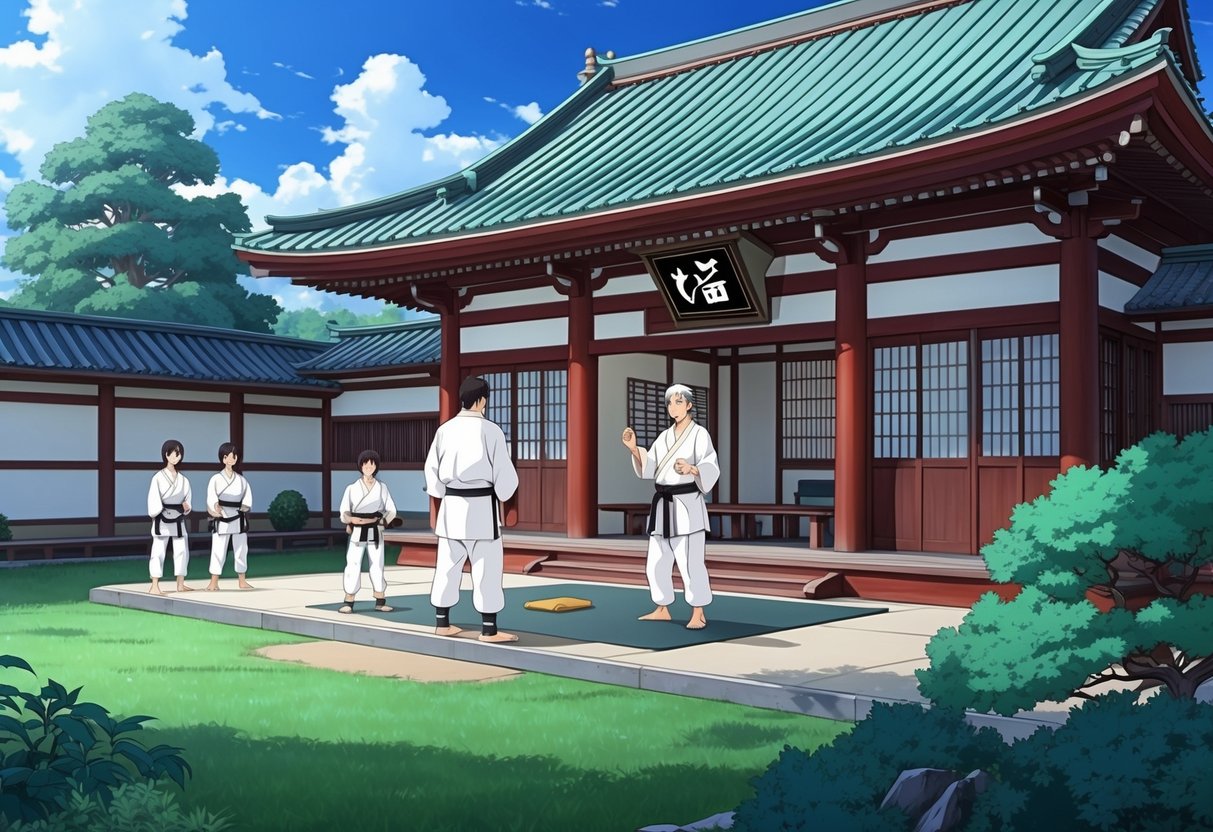
Martial arts traditions vary widely across different regions, each with unique styles and philosophies. Let’s examine some key martial arts hotspots around the world.
Martial Arts in Asia
🥋 ASIA is the BIRTHPLACE of many renowned martial arts.
South Korea stands out with its DYNAMIC martial arts culture. TAEKWONDO, Korea’s national sport, is practiced worldwide in thousands of schools. It emphasizes powerful kicks and fast-paced movements.
You’ll find HAPKIDO blending circular movements with joint locks and throws. It’s a versatile self-defense system that adapts to various situations.
TAEKKYON, an ancient Korean martial art, focuses on fluid footwork and body shifting. It’s gaining popularity for its unique approach to combat.
European and Western Martial Arts
🥊 WESTERN martial arts have evolved significantly in recent years.
MMA (Mixed Martial Arts) has taken the world by storm, blending techniques from various disciplines.
You’ll see AMERICAN KICKBOXING gyms popping up everywhere.
This fast-paced sport combines boxing punches with devastating kicks.
European martial arts like fencing and savate offer a different flavor. They showcase precision and strategy, reflecting the continent’s martial heritage.
Many Western schools now integrate Eastern techniques. This creates a GLOBAL FUSION of martial arts styles.